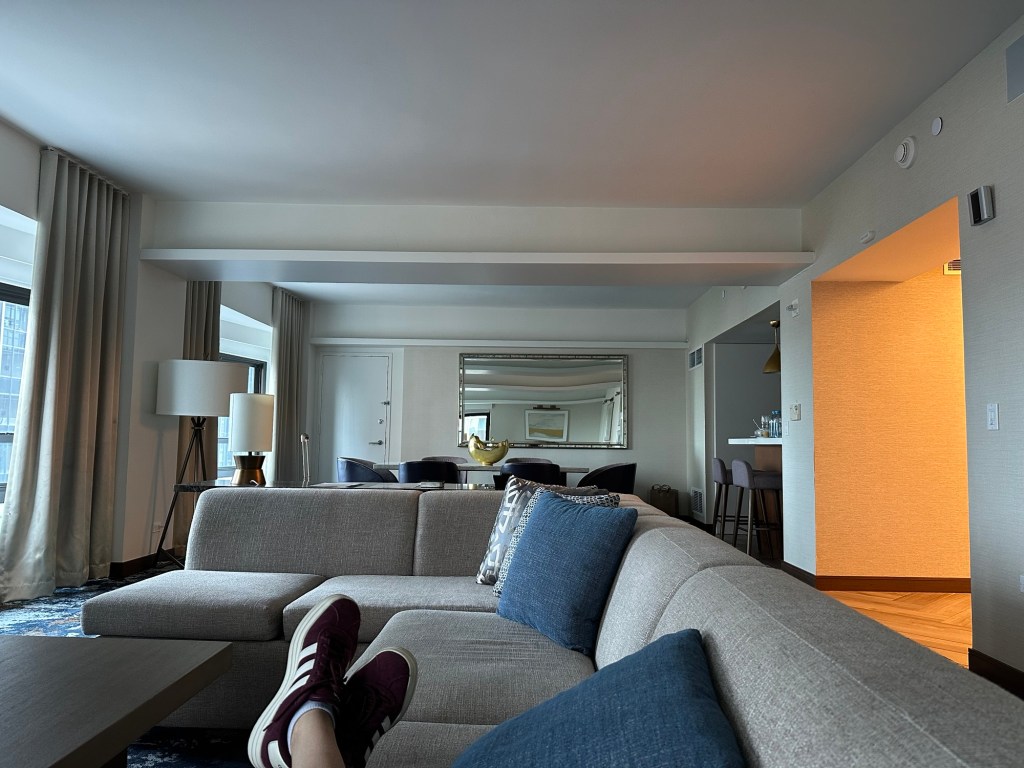
It’s Sunday, and it’s raining outside, and I’m sitting on the couch under a new blanket that my father’s partner, Cheryl, crocheted for me. I’ve got my journal, my Pennysaver crossword puzzle on its clipboard, my planner, my seltzer water, candles lit…
And I’m ready to write a blog post. I have so many options. I need to accept the fact that I am not going to be writing about the events in my life in a chronological order. Is it weird that that bothers me? This could be what stops me from writing. There’s this feeling that I need to “catch up” on the events of my life before I can just write about what’s on my mind. It still bothers me that I haven’t written about my trip to England from April 2023; even though there are probably many other events that I have forgotten I’ve forgotten.
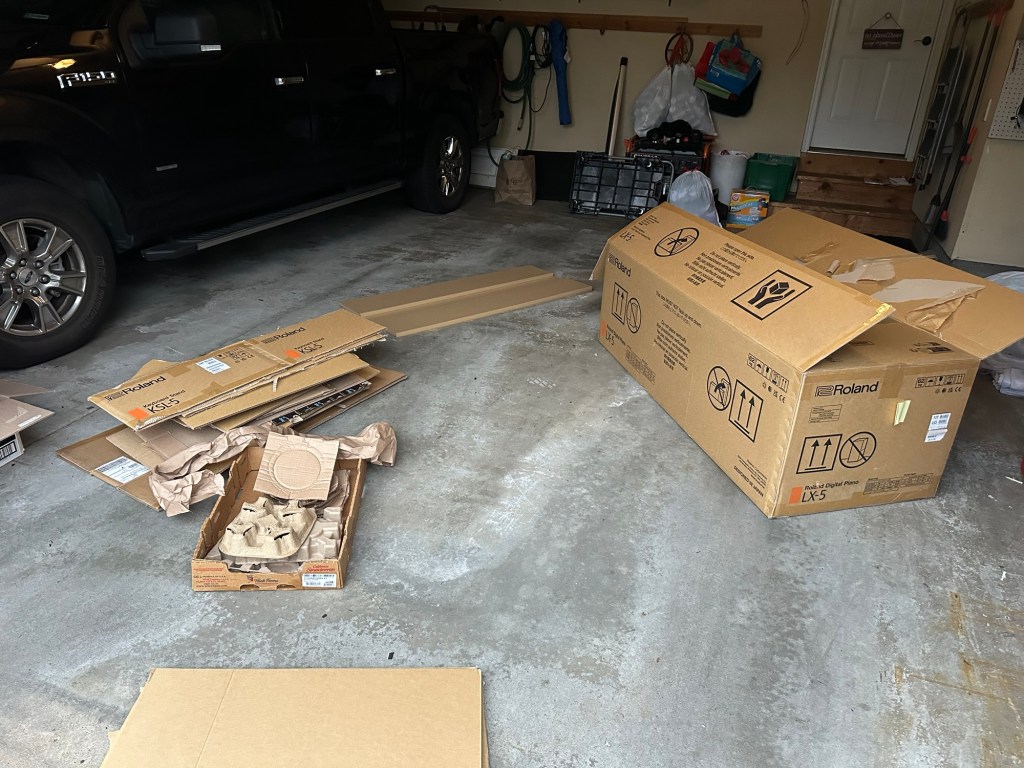
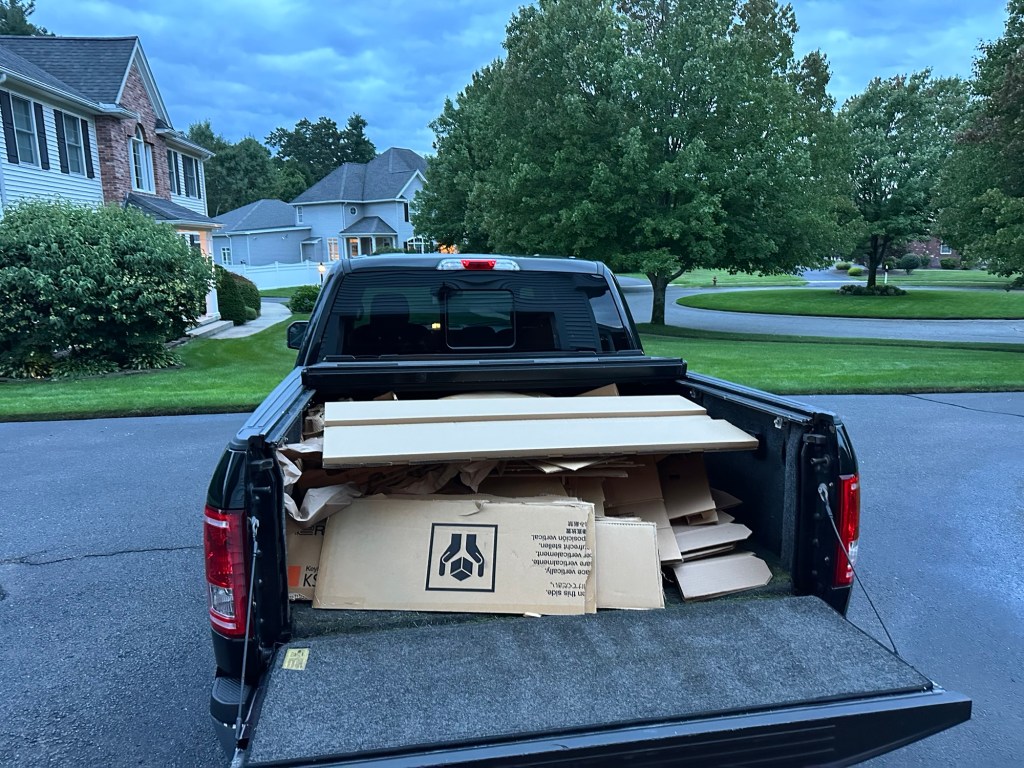
Let me start where I left off on my last post. I was cutting up boxes after helping Sarah move into her new apartment. I was exhausted and rundown. I had a nasty cold sore (other people in my house had actual colds) and somehow I hurt my back. It happened right before I started mowing the lawn and I wondered if I pulled a muscle when I was pulling the handle to start the mower. But I also remember feeling a pain in my back when I was walking to the shed. Now I kind of wonder if it was viral. I finished mowing the lawn, even though I was doing something similar to Lamaze breathing exercises to get through the pain.
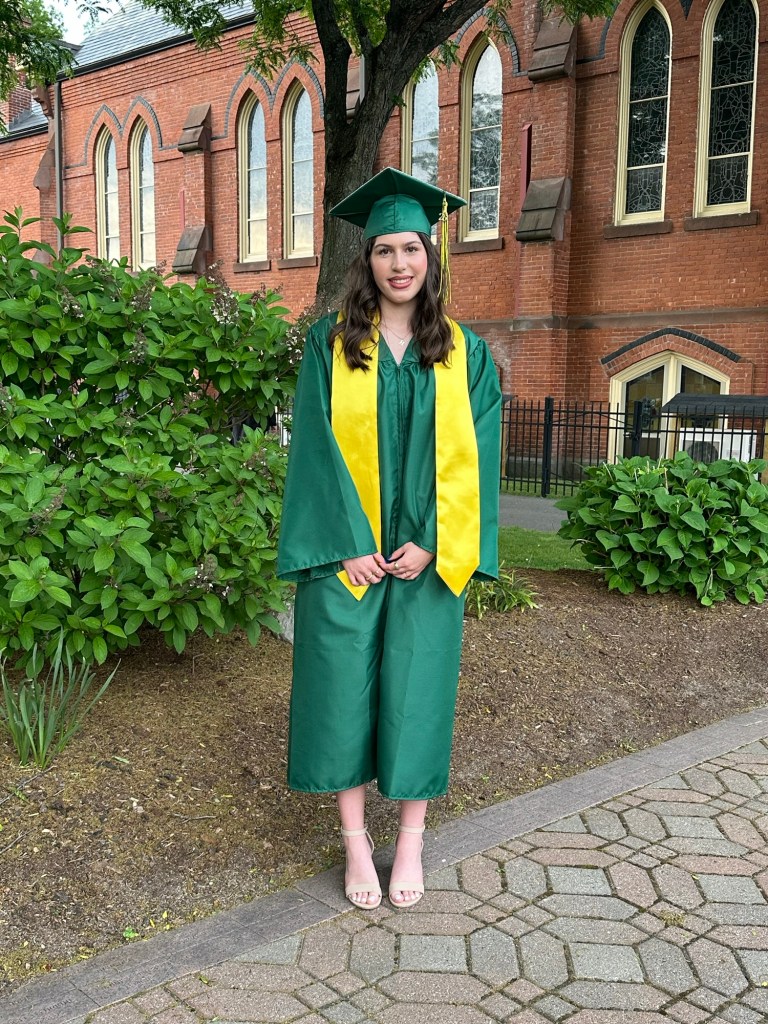
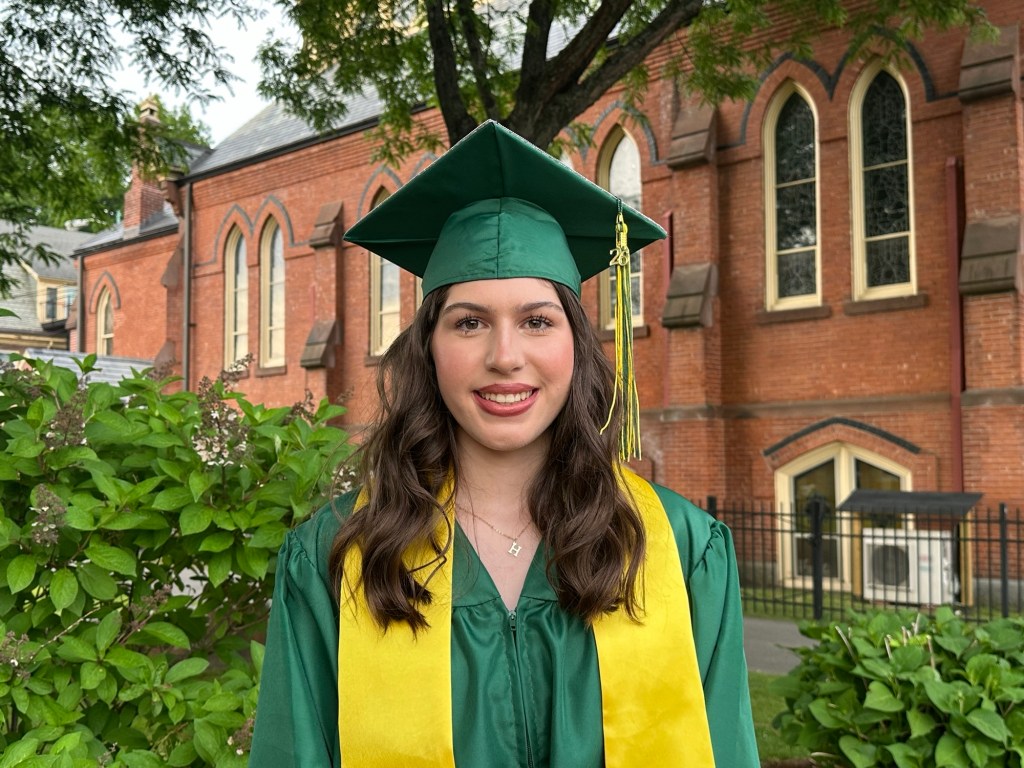
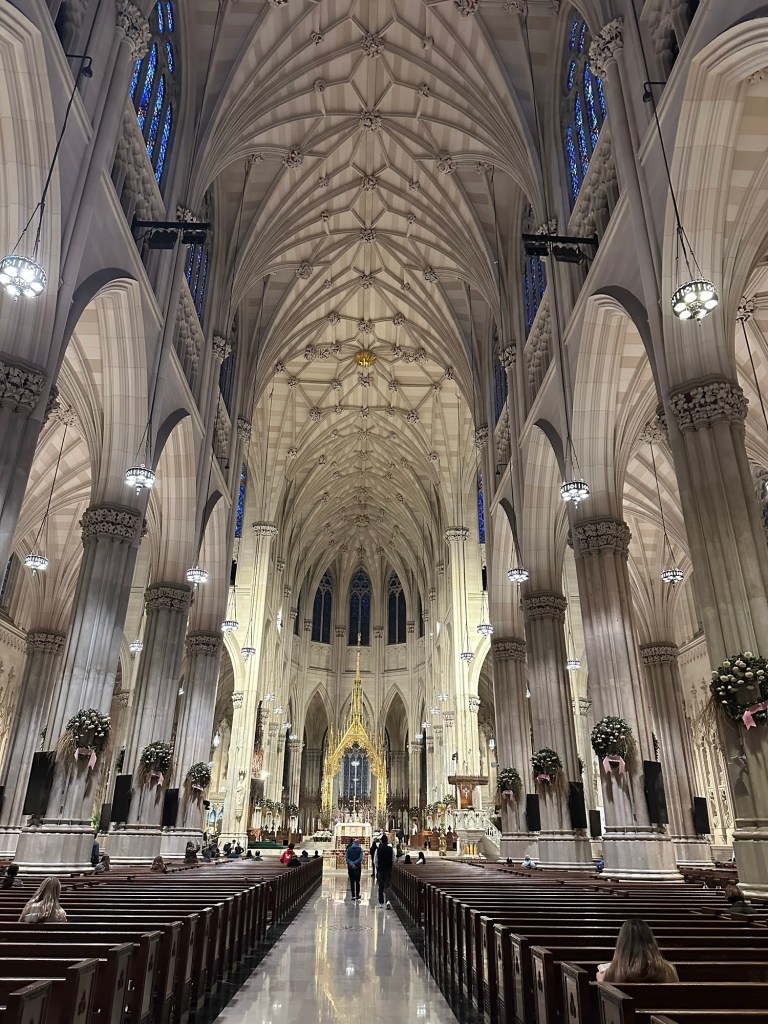
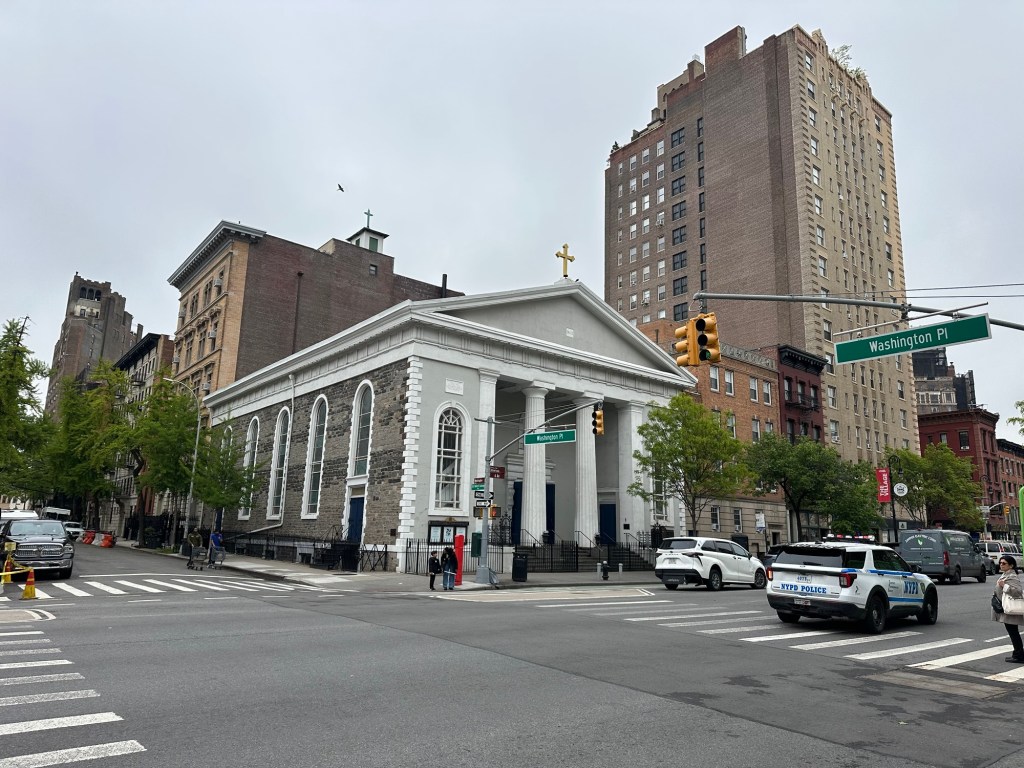
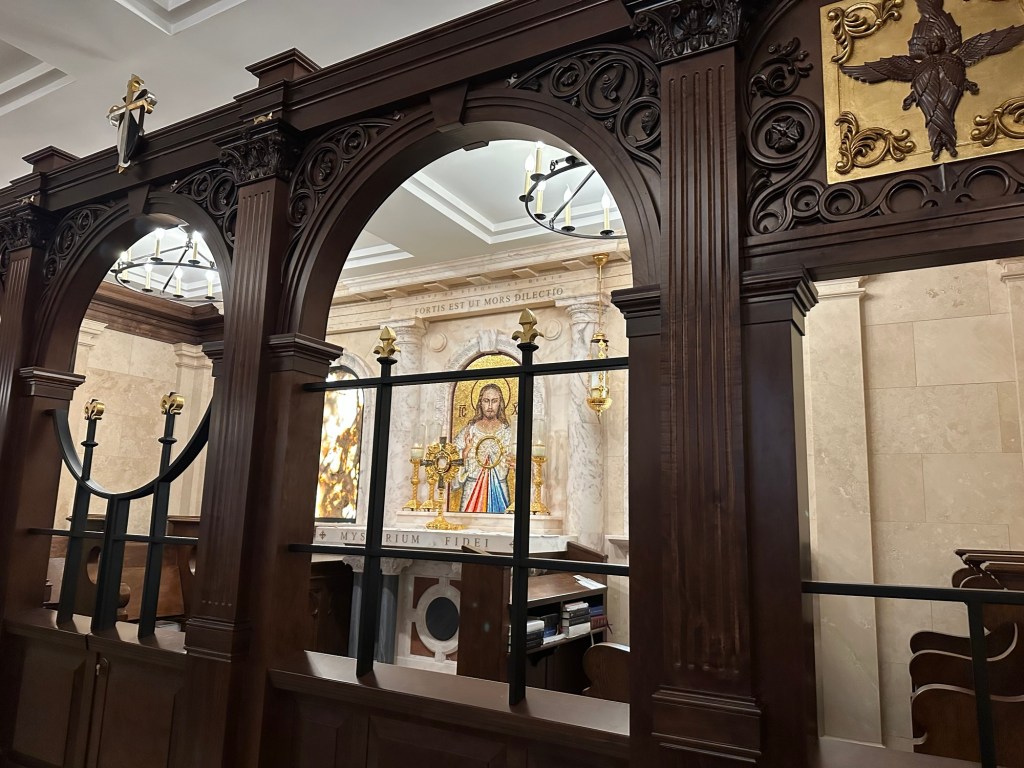
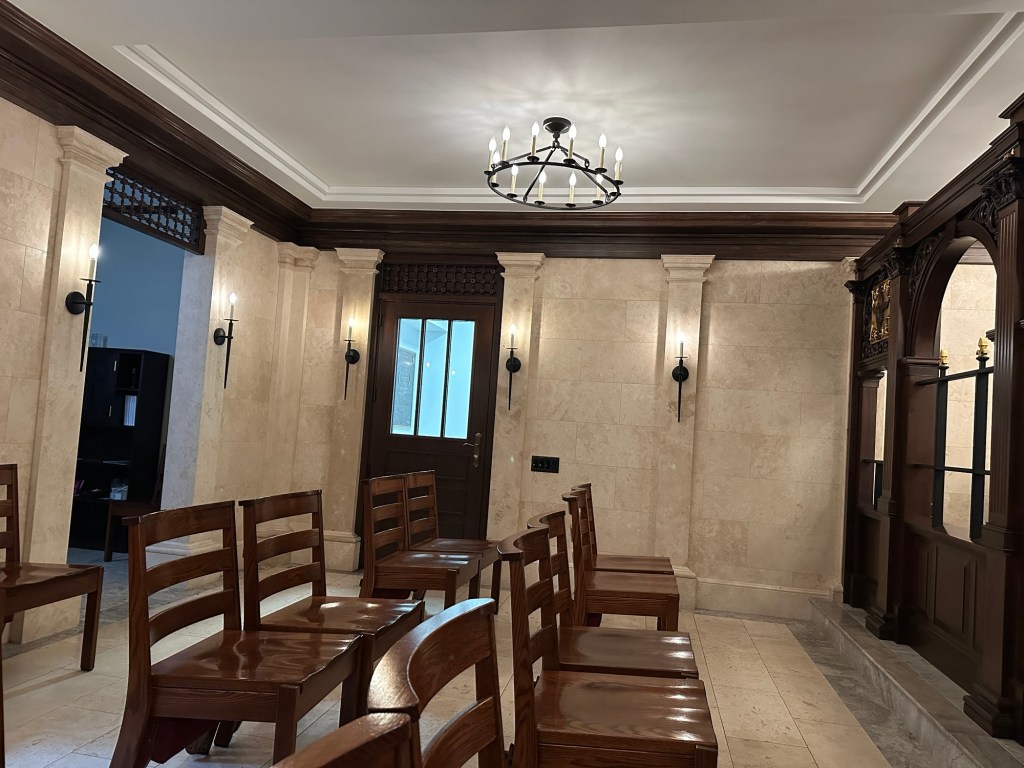
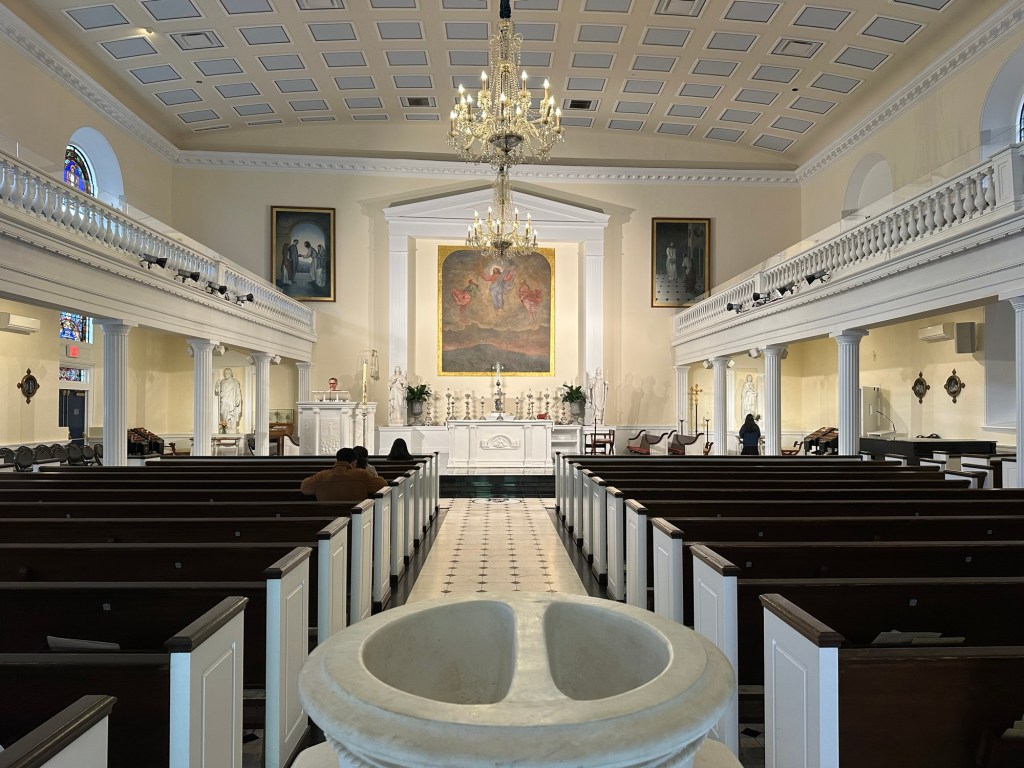
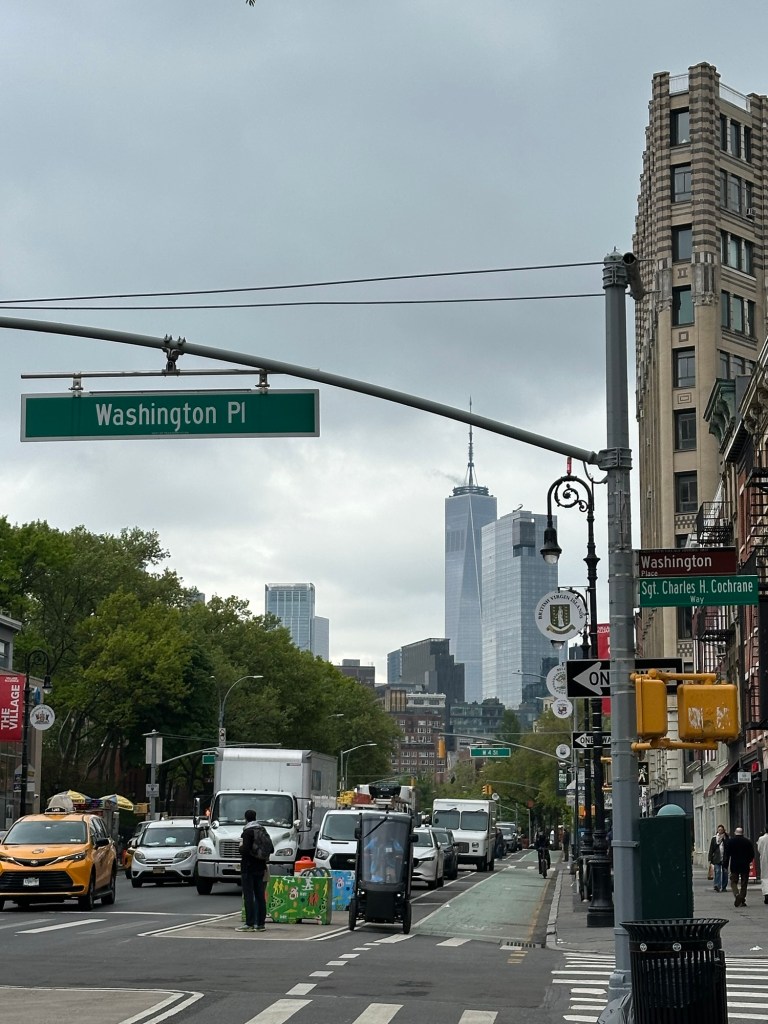
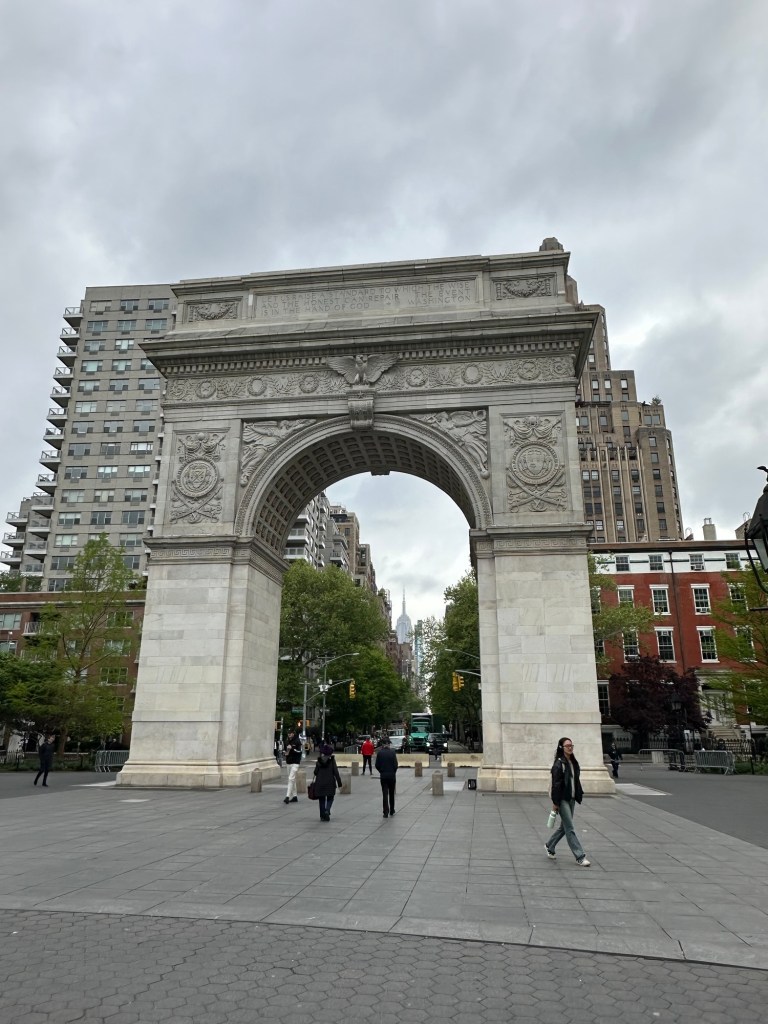
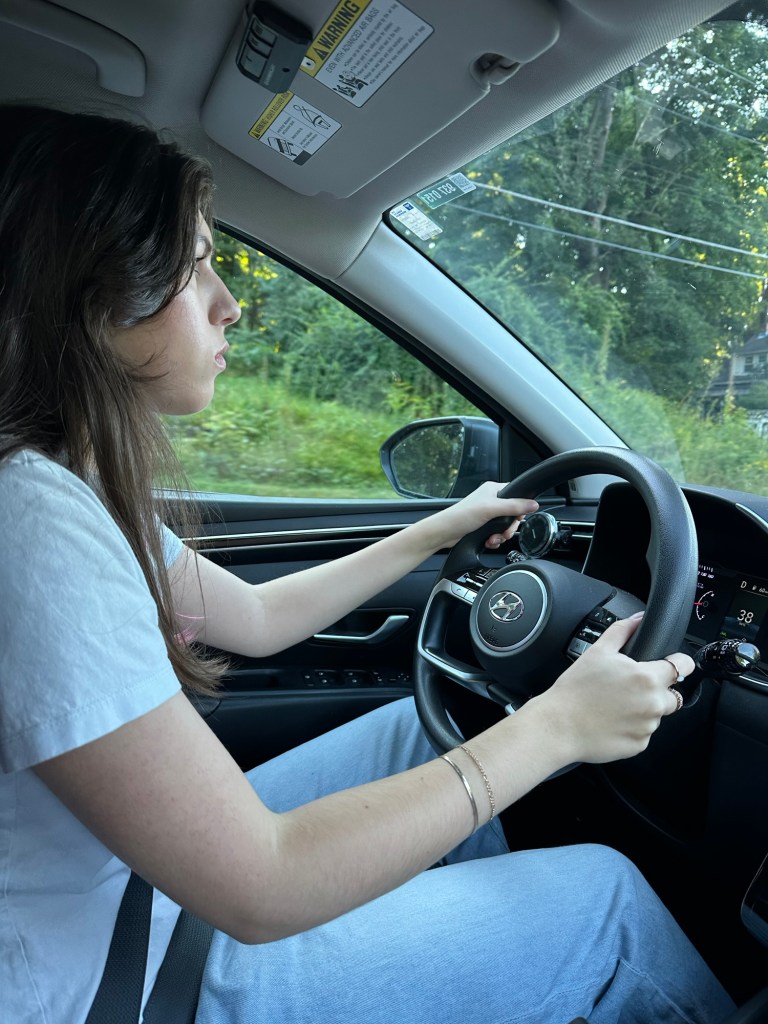
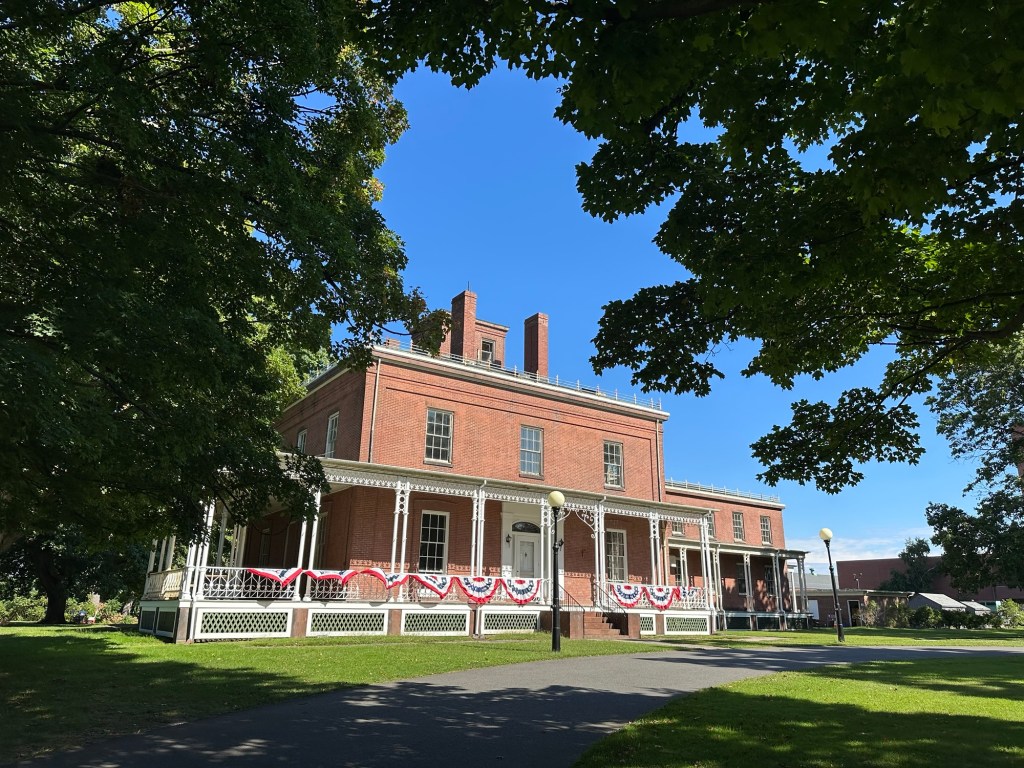
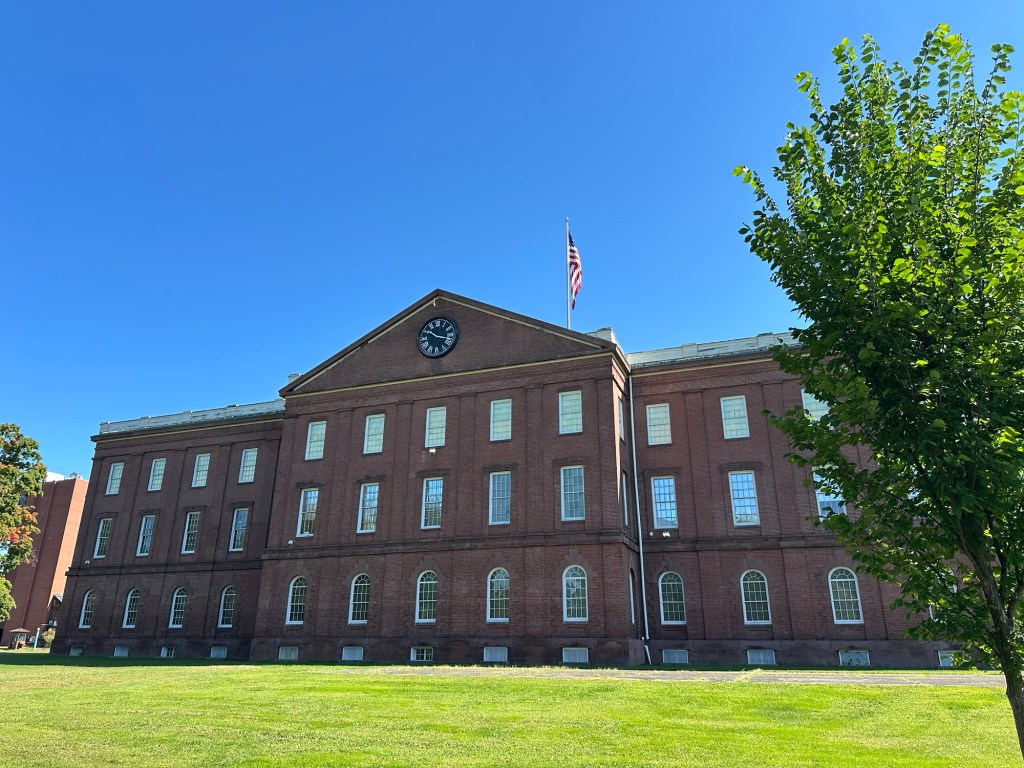
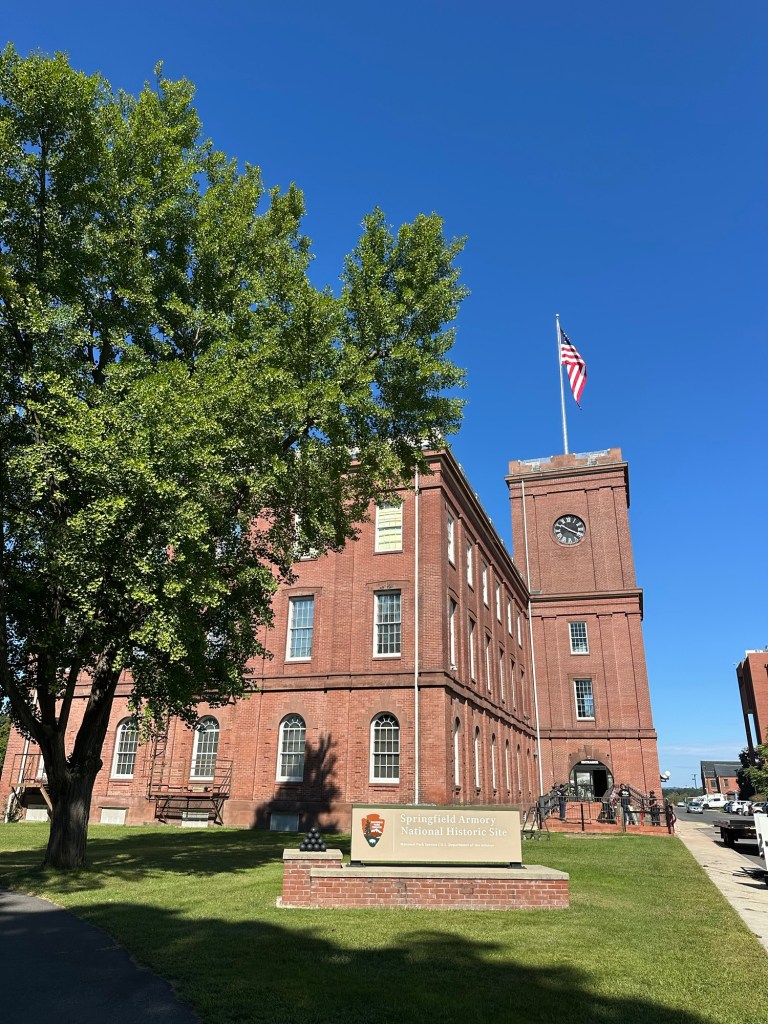
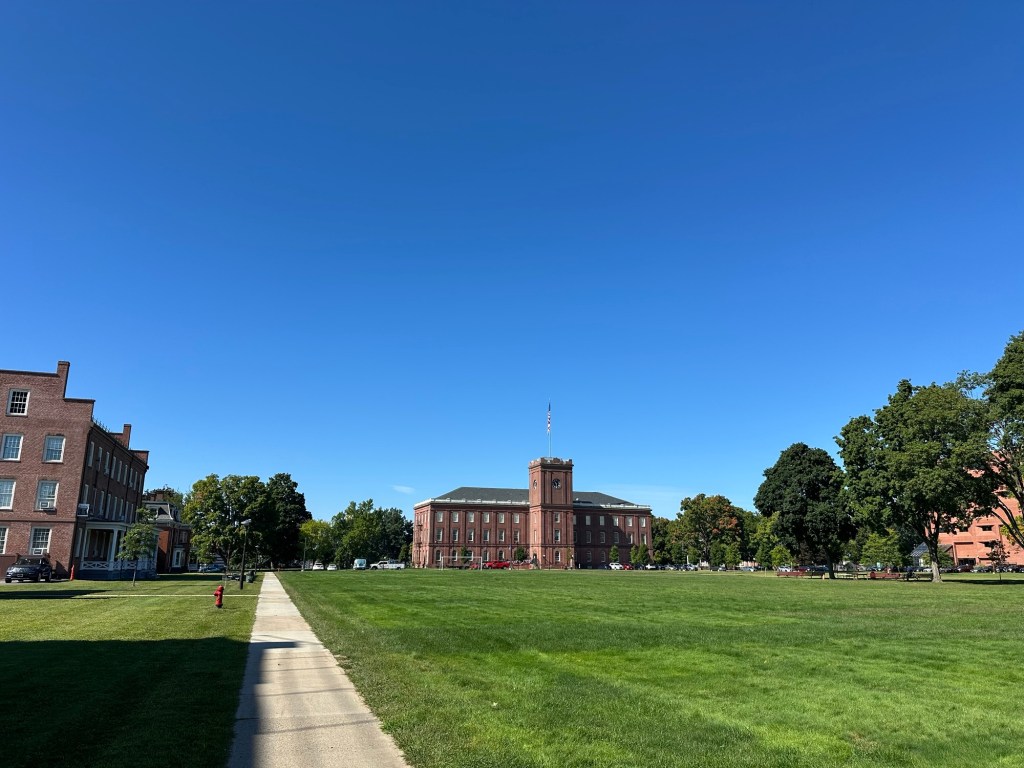
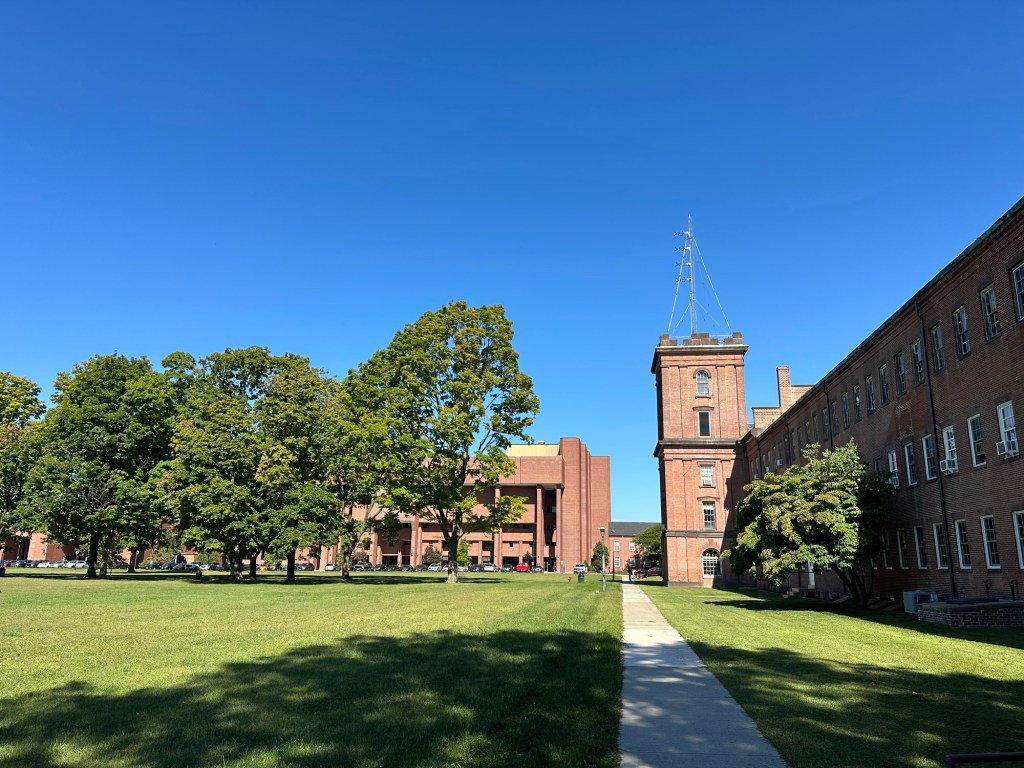
On Labor Day weekend, I went to New York City with Hannah. We had a wonderful time together and I will write about it in an NYC post. September 8th was Hannah’s first day of college. I rode in the car with her because she didn’t really know where to park or how to use the GPS yet. (She just got her license.) While she was in her class, I walked very slowly (with my stiff back) around the campus, which was beautiful.
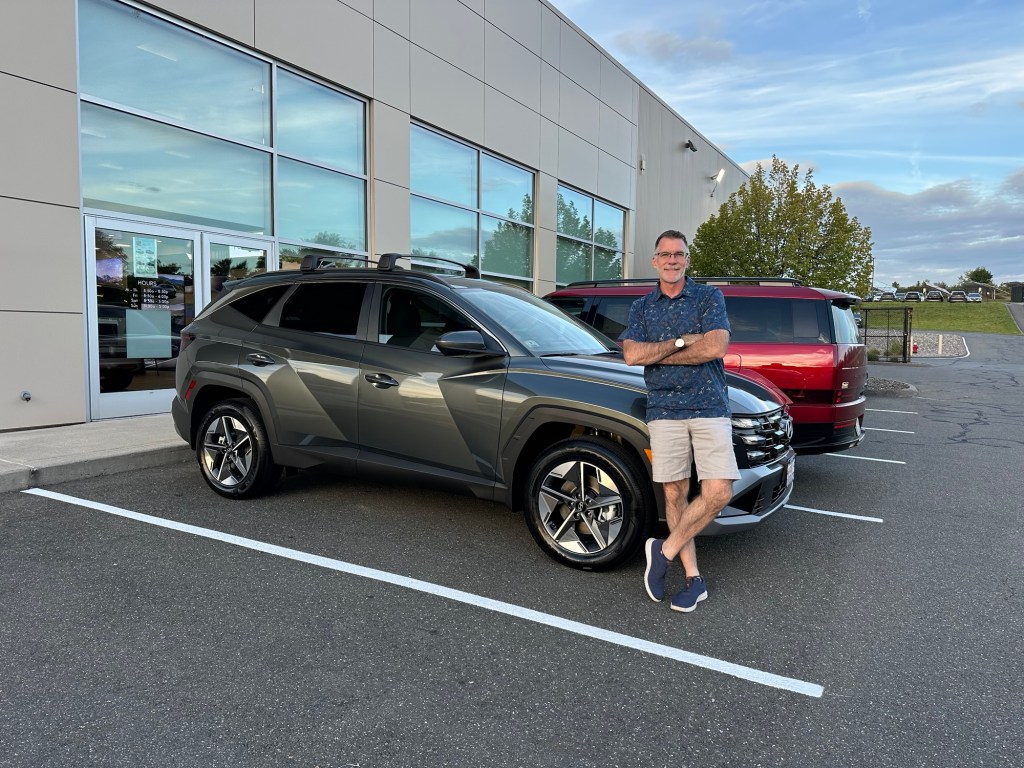
I was feeling unwell later in the day, but still made Bob’s food for New York and went with him to the car dealer to get another car. The next day was the worst. I was definitely sick. I didn’t wanna get up at all, but I sat in the backseat as Hannah drove to school. I was moving like an old lady when I tried to walk around the campus again. When I got home I became a sick couch potato for the rest of the day and the next day. I watched loads of movies, including a couple of Christmas ones. Hannah has been driving herself to school independently since then.
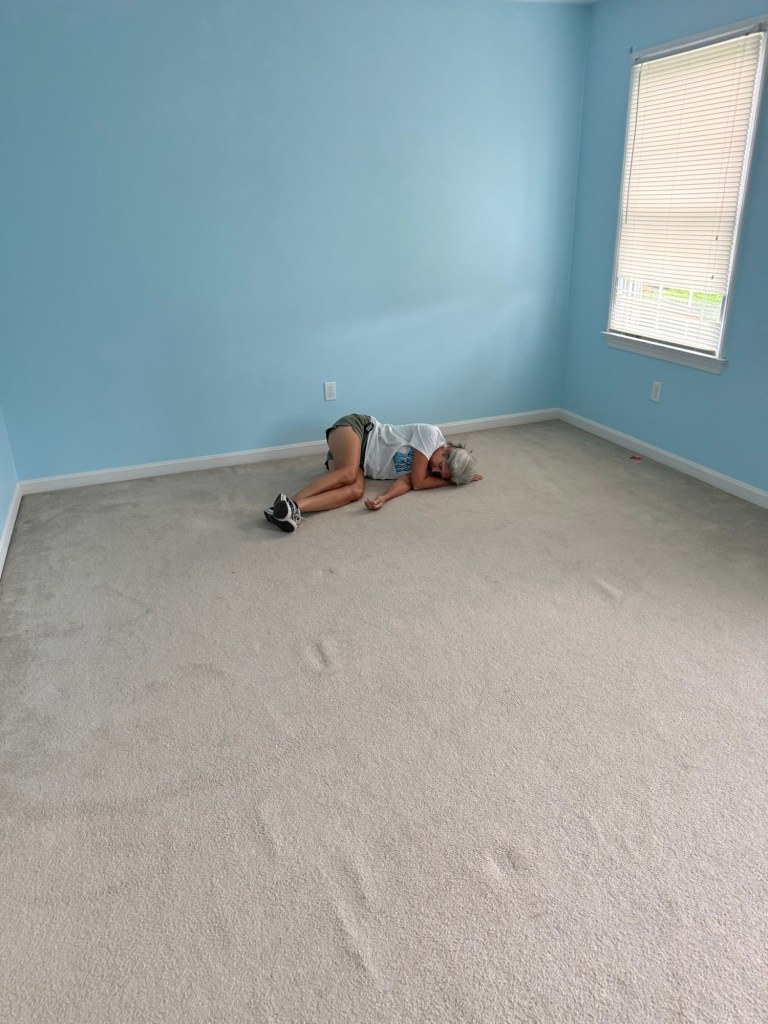
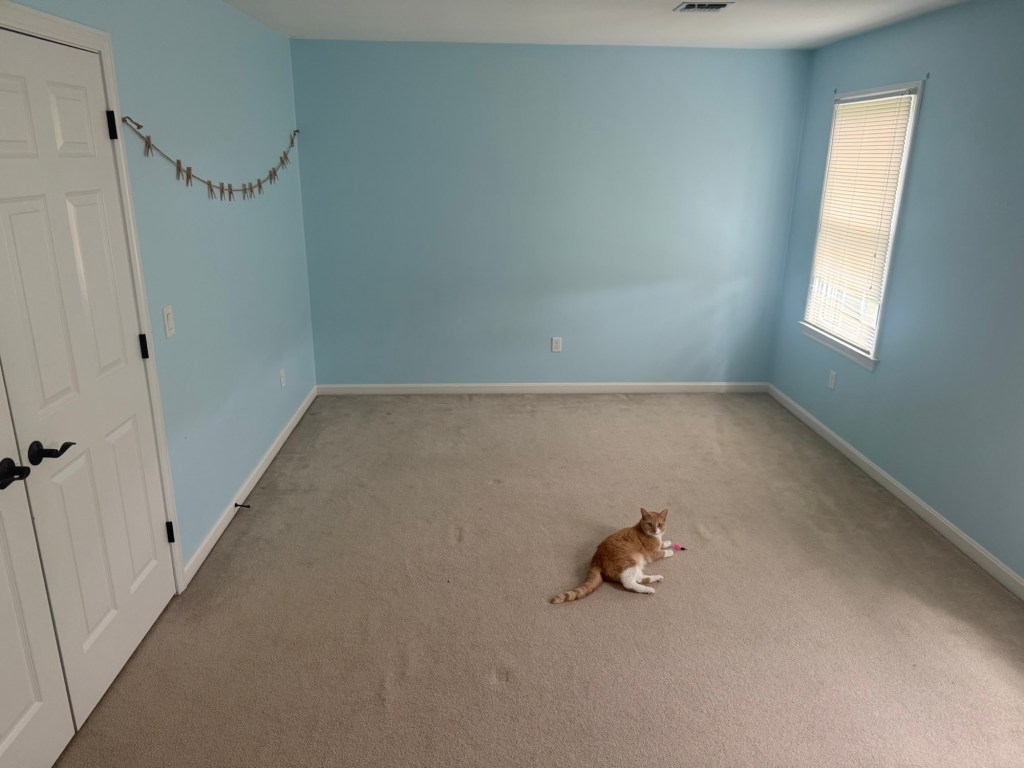
Saturday I went to a lovely outdoor wedding of some friends of mine, Pat and Sam. Sunday, Sarah visited and she played loads of games of Sorry! with Mary and me. I also did my seasonal clothing switch. The bins are still in my room because I’m not quite finished with that project. My back improved, and eventually I felt ready to paint Sarah’s old room for Mary. It was basically a color change. I didn’t paint the ceiling or the trim, only the walls.
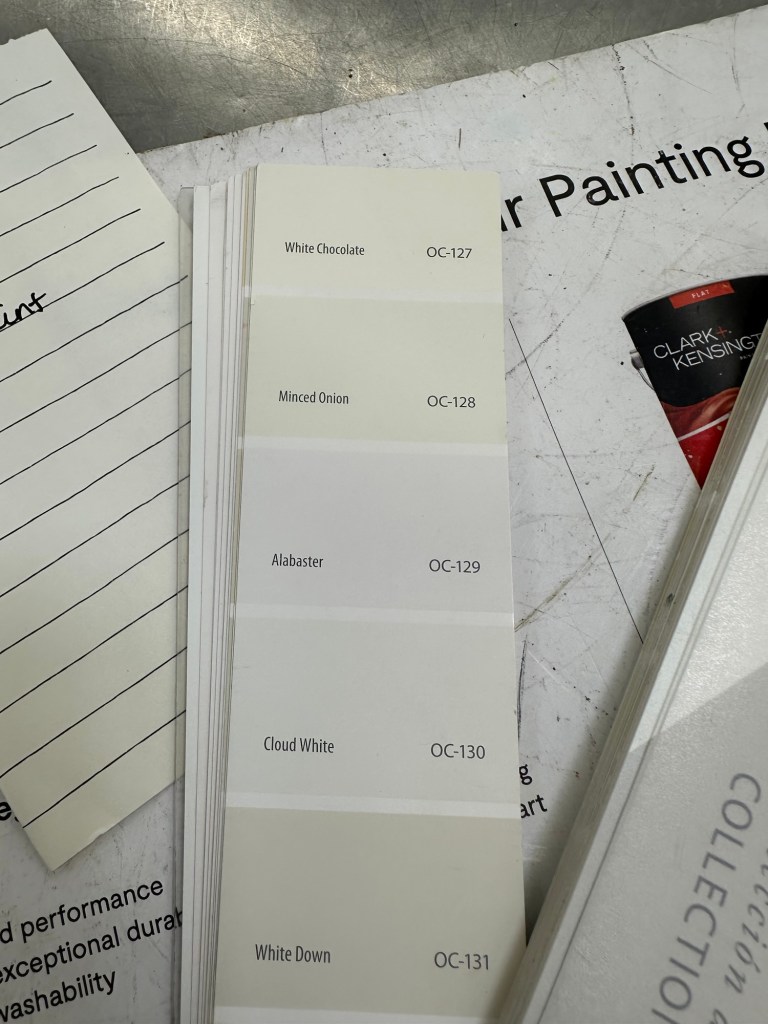
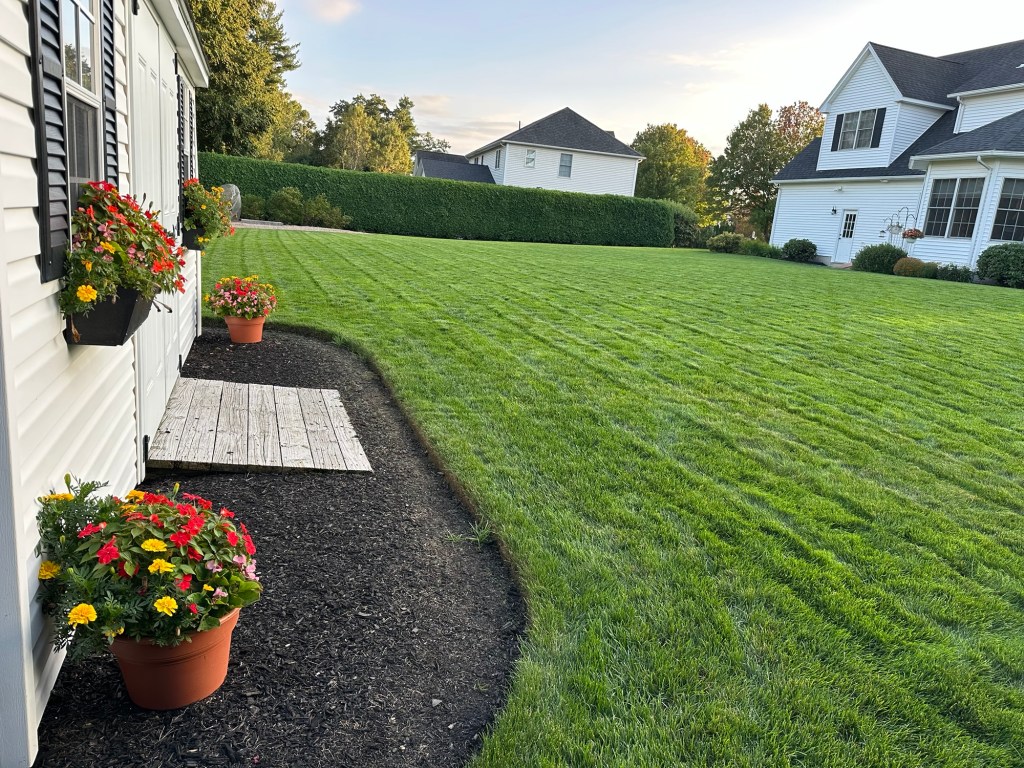
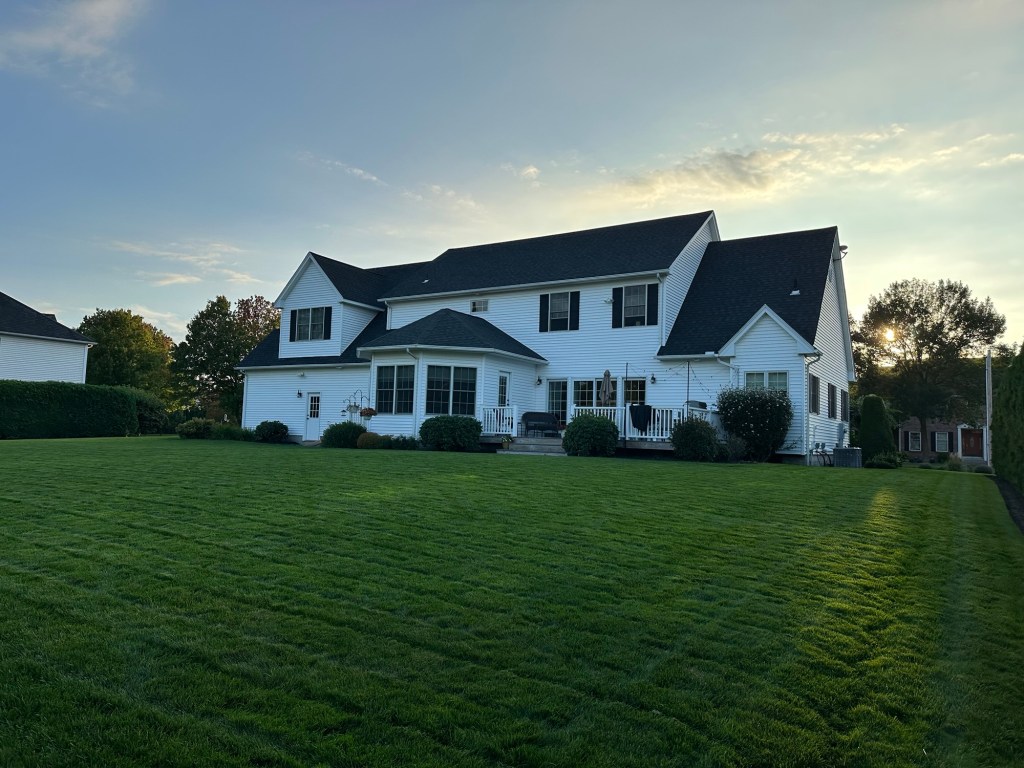
On Wednesday, I prepped the walls, tested a color sample, mowed the lawn and bought paint.
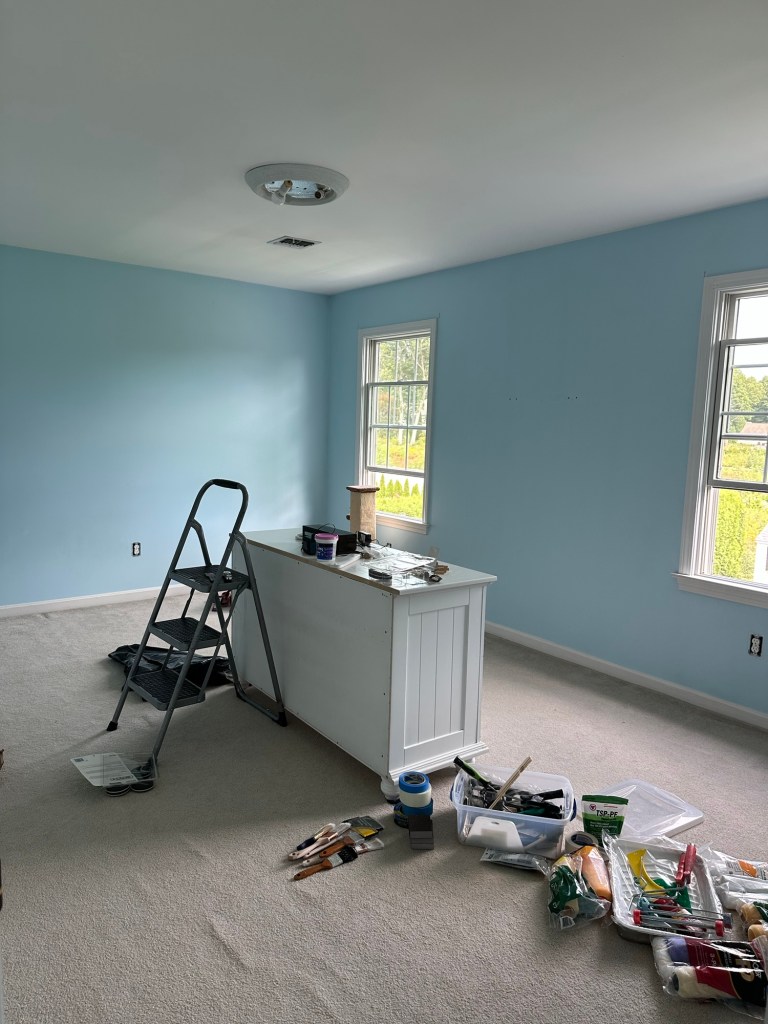
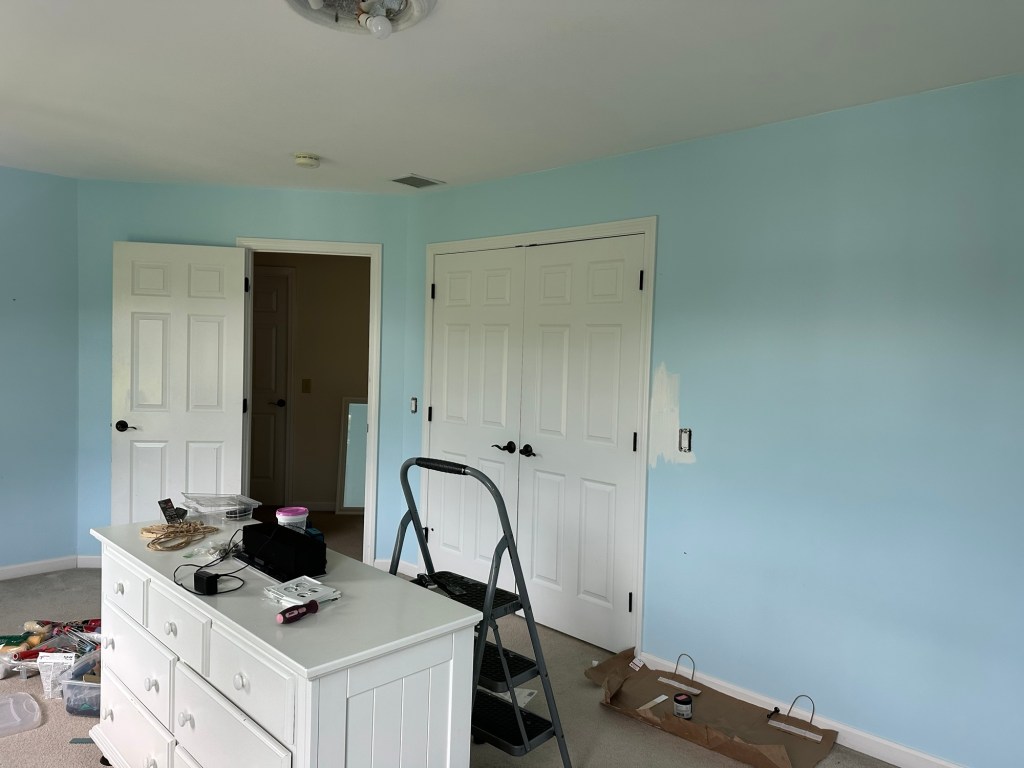
Then on Thursday, I lay down drop cloths, taped, painted and cleaned up.
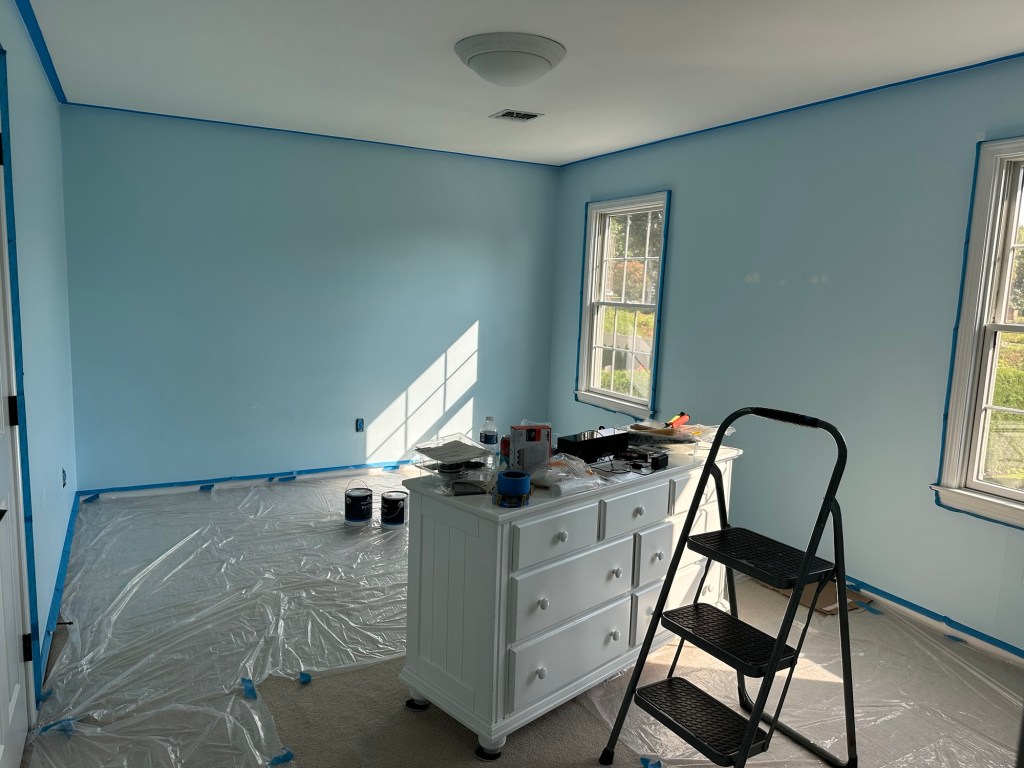
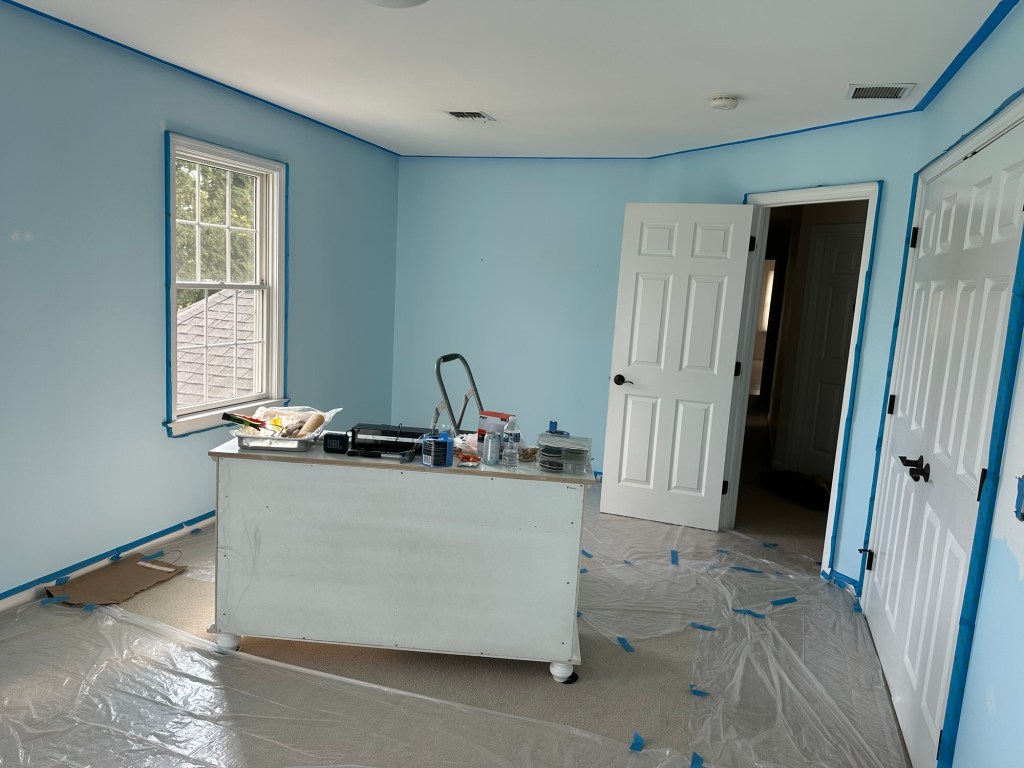
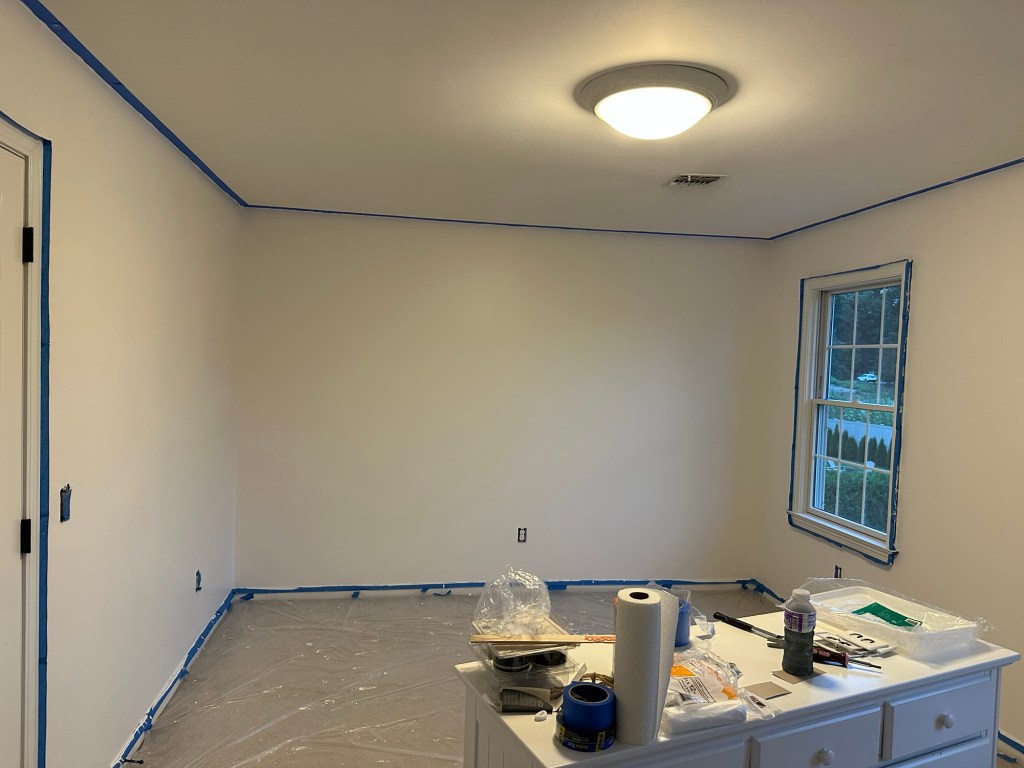
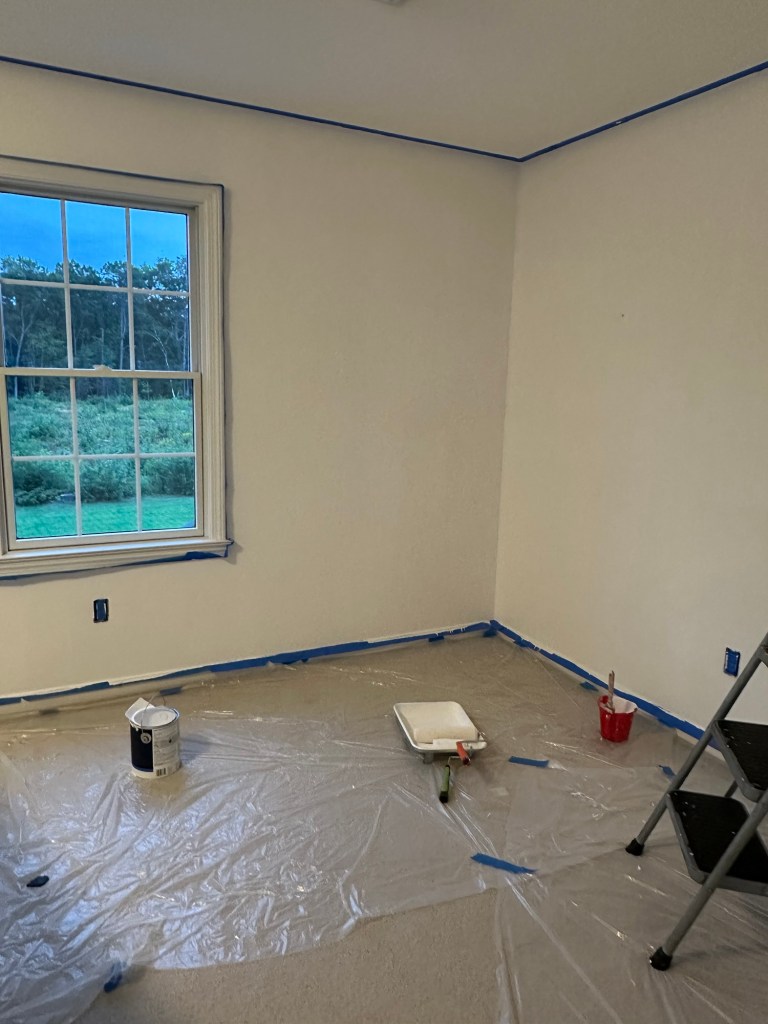
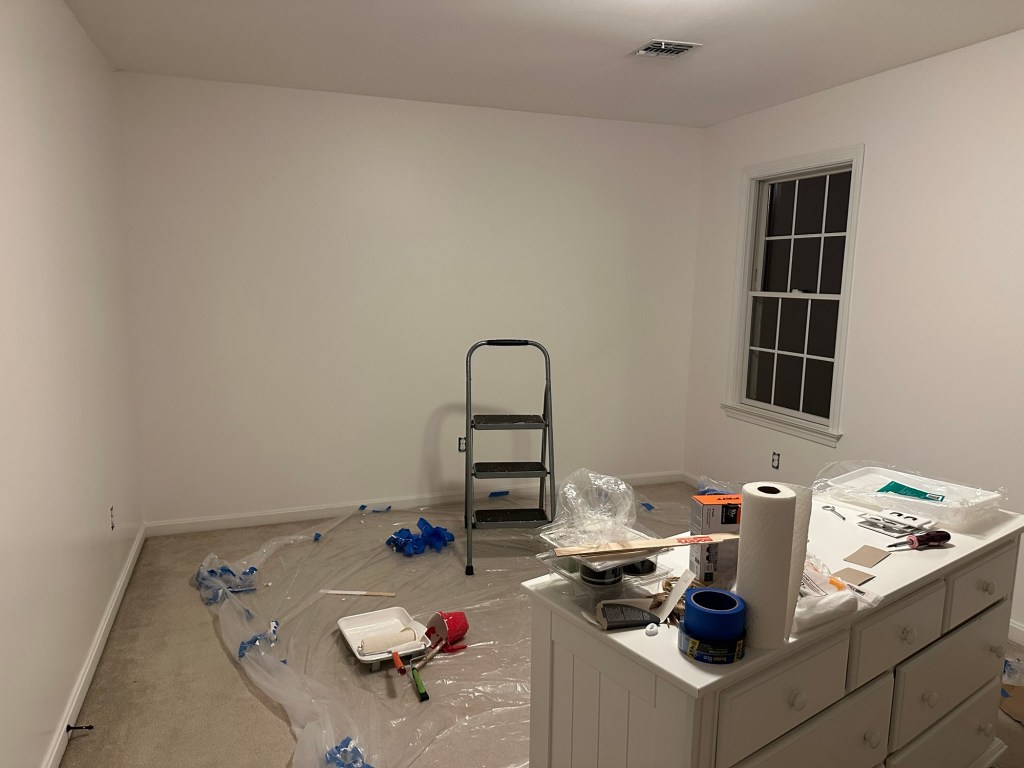
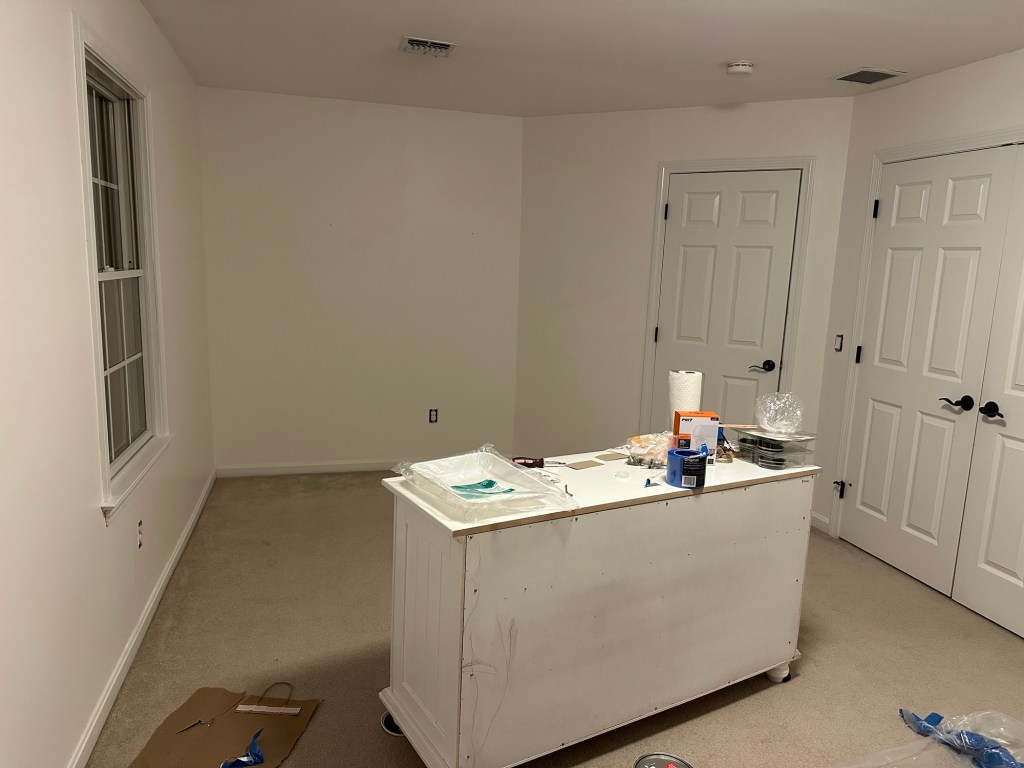
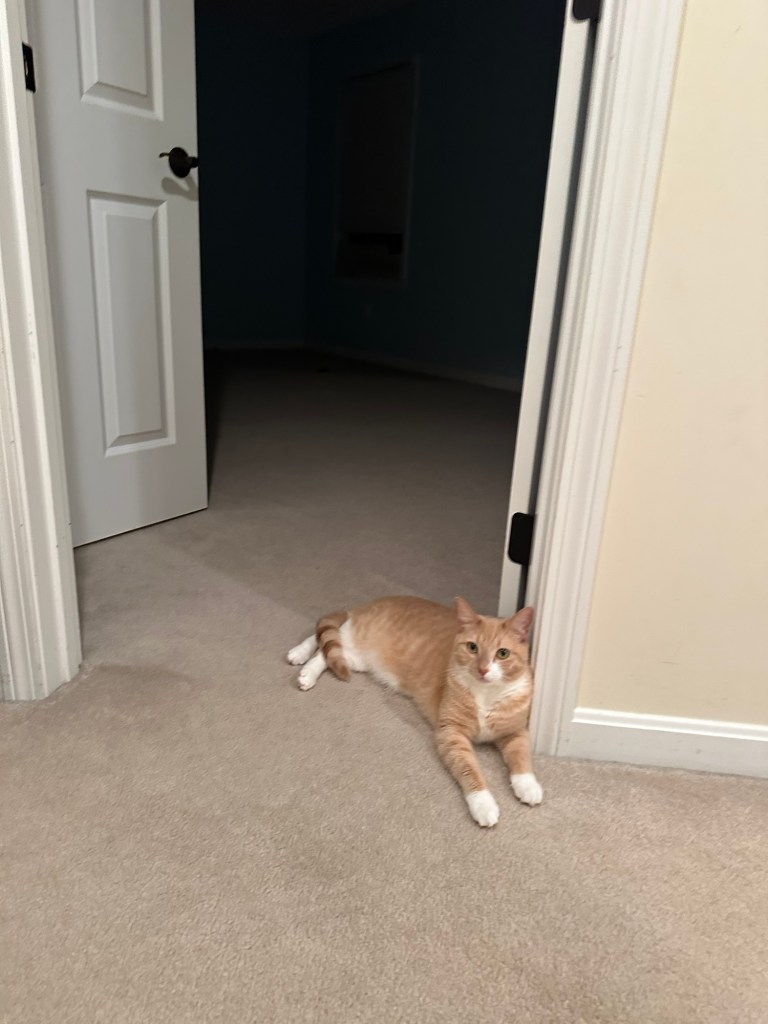
Before and Afters
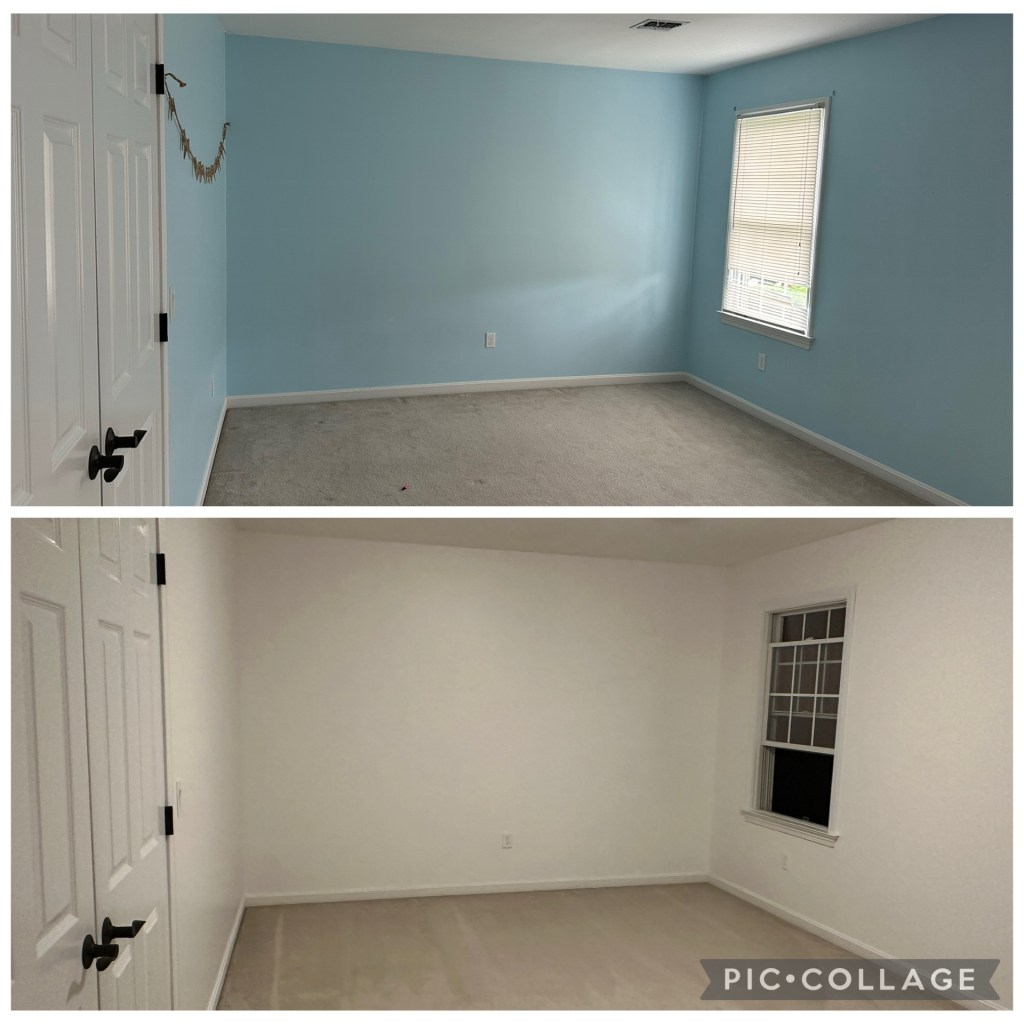
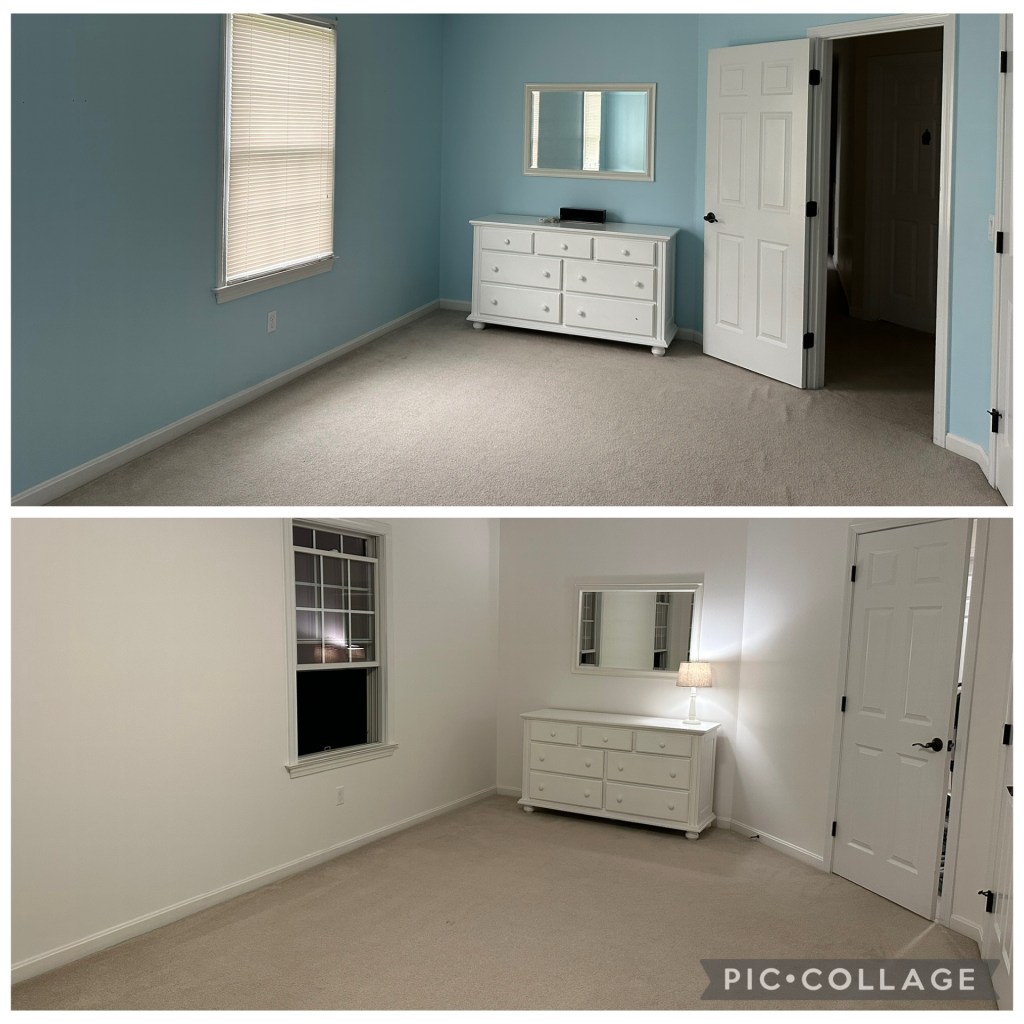
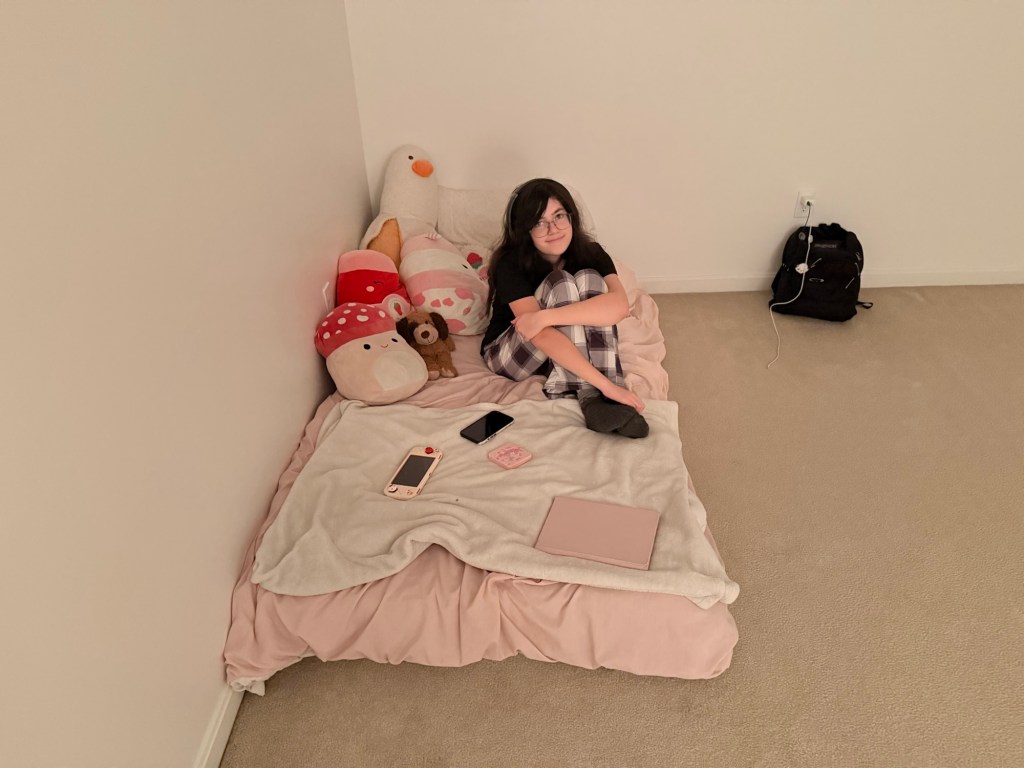
Mary moved in her mattress and clothes, and started sleeping in there that night. I’ll have more to do in there in time. Hannah’s room, which was Hannah and Mary’s room, will be my next project. It will be much more difficult because it was the old playroom, and it hasn’t been painted in 20 years. The walls are in rough shape and the ceiling had a problem when we moved in. The trim also needs to be painted. I hope to get it done by the end of October.
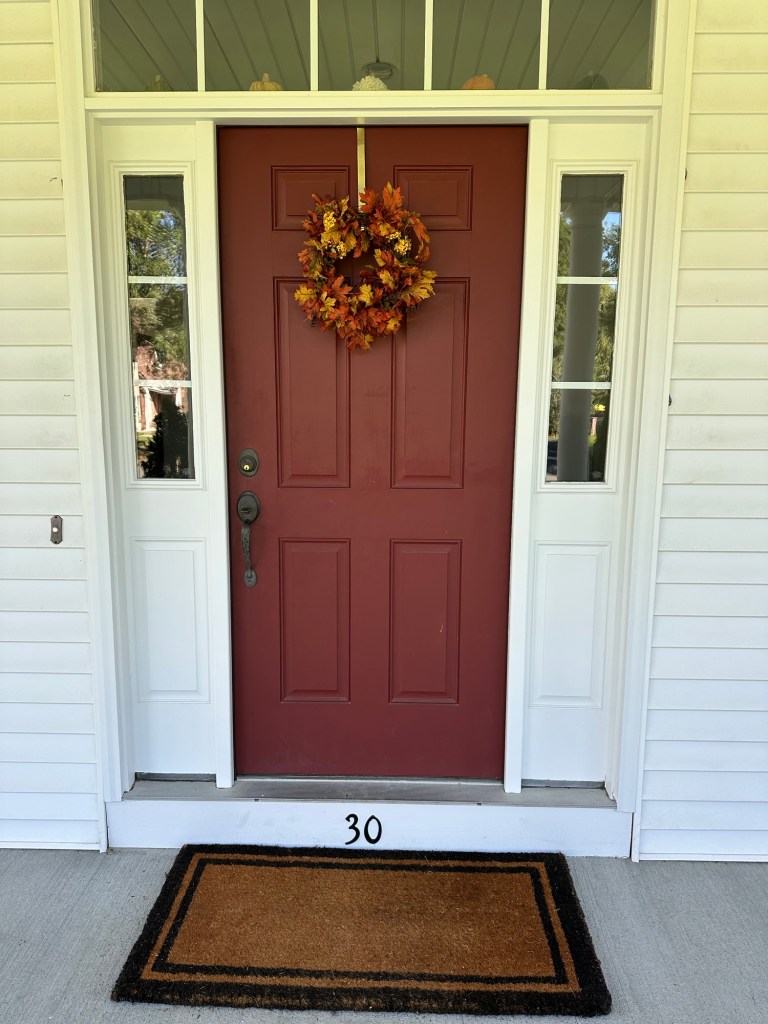
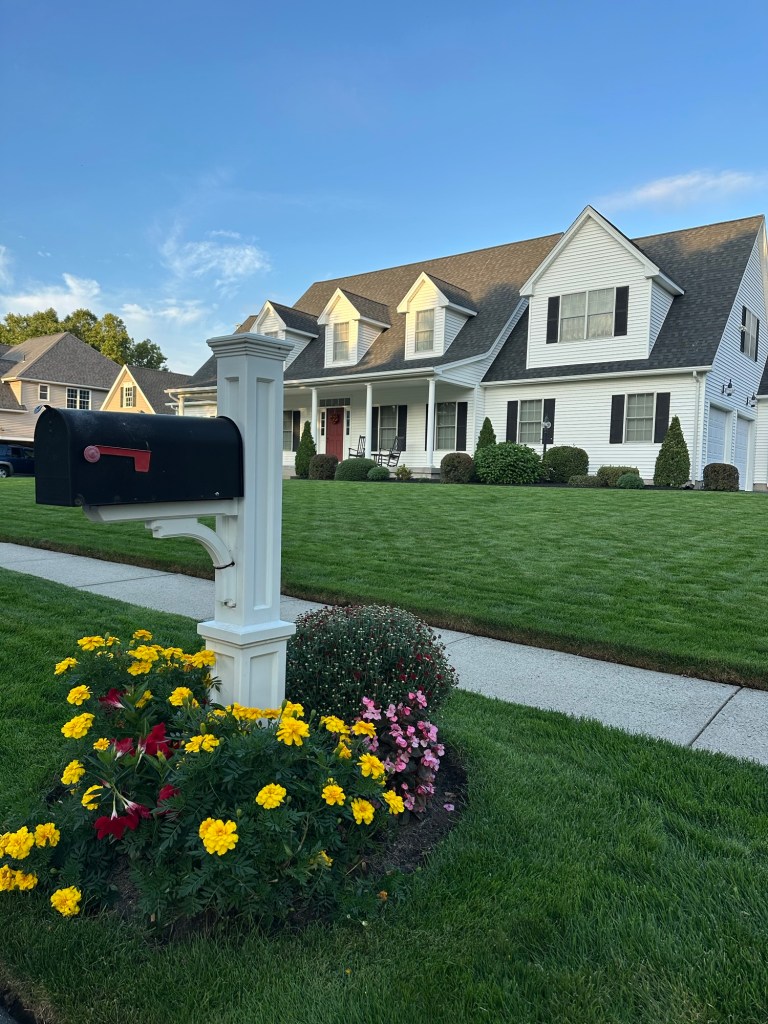
On Friday, I put out the fall decor. It really felt like Autumn to me, though it officially begins on September 22nd this year. I cleaned the house well.
Saturday, I shopped for some new items to add to my fall wardrobe. I think I was motivated by an upcoming trip. Why do I feel like I want new clothes when I go on vacation? I already had plenty of clothes, though some of them are quite old. Am I going to keep them all, or do out with the old and in with the new? Maybe I’m not a minimalist wannabe?
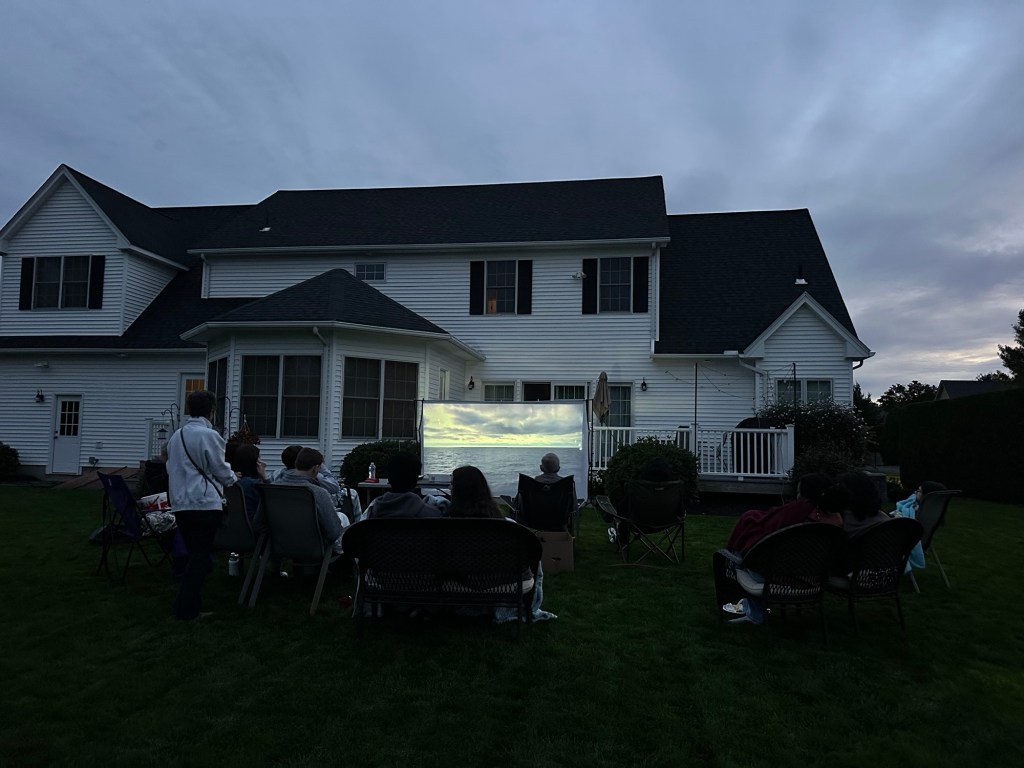
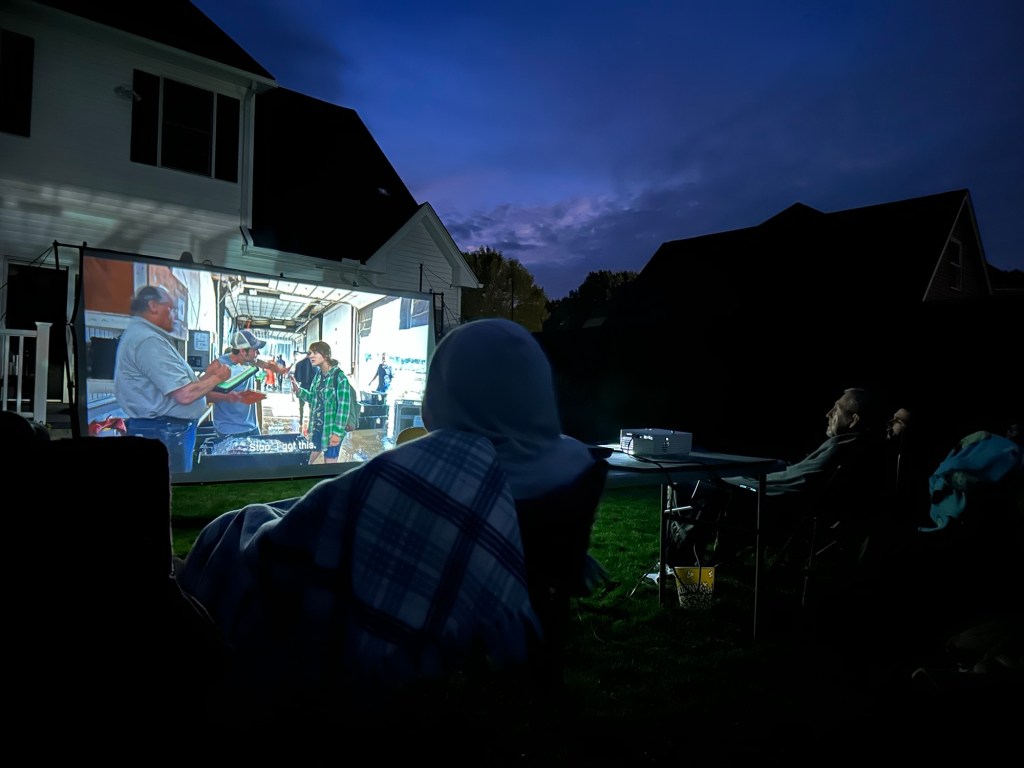
I also picked up a bakery cake for my father and sister’s outdoor movie night/birthday celebration. I hosted it at our house. Bobby was away in North Carolina. It was really fun. We watched the movie CODA (my father’s pick) under the stars (which, to be accurate, were hidden by clouds).
And that brings me to today. All caught up!